In an unexpected turn of events, a moment of compassion unfolded in a crowded courtroom, leaving tears glistening in the eyes of those present. The story of a homeless veteran facing dire despair became a powerful reminder of humanity’s capacity for empathy, challenging perceptions of what we understand about service, sacrifice, and survival.
 The courtroom buzzed with the usual chatter as people waited for their turn before the judge. Among them sat James, a weary figure with hollow eyes. Once a proud soldier, the weight of a heavy past bore down on him visibly. He wore tattered clothing that appeared two sizes too large, a reminder of the love he once had—a family, a home, and dignity now stripped away by circumstances beyond his control.
That fateful day, James’ fight to stay alive led to an action that many would deem reprehensible. Desperation guided him to steal food from a local grocery store. In his heart, the shame clawed at him as he stuffed a few items into his pockets. With each passing moment, he shuddered, recalling days in combat when fear and heroism entwined in a delicate balance. But hunger trampled all thoughts of honor as he considered his next step.
The police apprehended James swiftly. He was handcuffed and led away, his mind suffocated by confusion and remorse. The taste of cold steel against his wrists mirrored the chilling isolation he felt in that moment, the weight of judgment bearing down from all sides. As he sat in that confined space, he resolved to accept whatever consequences awaited him.
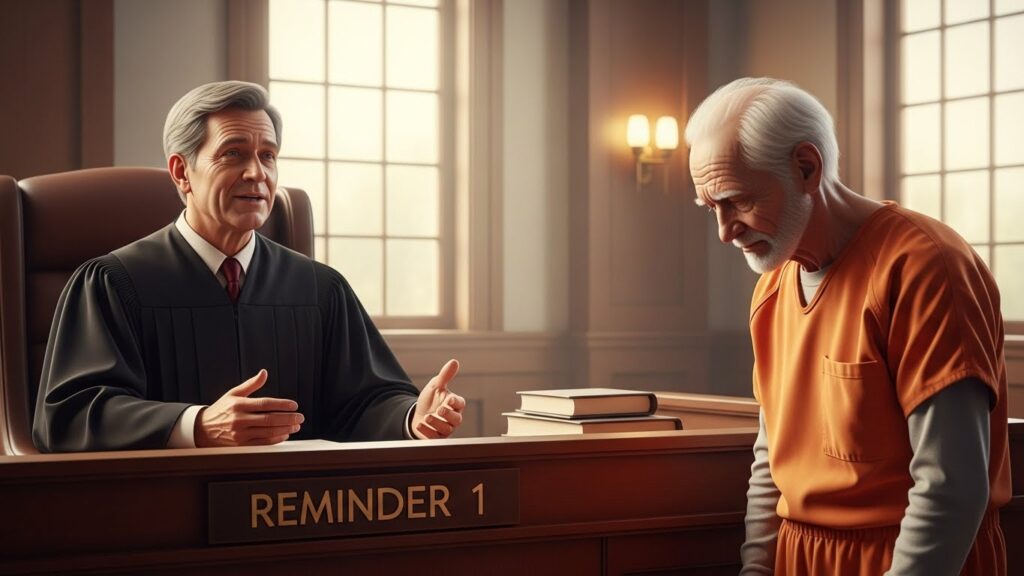
Inside the courtroom, the atmosphere felt dense, filled with awkward glances and hushed whispers. The judge, Honorable Sarah Hart, entered the room with an air of resolve. She had seen countless cases but felt a pull toward this man with the haunted gaze sitting at the defendant’s table. As she reviewed the case before her, the details painted a sad portrait of despair, war, and lost hope.
When the courtroom quieted, Judge Hart raised her voice to address the man who stood before her. Her tone softened as she spoke, and a noticeable compassion permeated her words. James stood there, trembling at the thought of a potential prison sentence. He felt unworthy of redemption, especially after the stains of his actions weighed heavy on his conscience.
As the judge recounted James’ service, something remarkable happened. Many in the courtroom shifted uneasily in their seats, the tension palpable. She shared how many veterans slip through the cracks, battling invisible wounds that were never recognized. The haunting struggles veterans face often culminate in dire situations, driving them to desperate acts of survival.
Her words resonated deep within the hearts of those listening. The prosecutor paused, surprised by the shift in dynamics. Ultimately, the judge offered something unconventional, an opportunity for the man to find himself again. Instead of sentencing him to jail, she prescribed an alternative—a path toward rehabilitation. The collective breath in the room caught, followed by an outburst of emotion. Tears streamed down the faces of those who had arrived expecting condemnation.

As the judge outlined how James could participate in a veteran support program, the room shifted from one of judgment to one of compassion. This declaration ignited a fire of hope—a chance for healing. A chance to reclaim dignity. James felt a strange warmth envelop him, a stark difference from the cold, hard reality he had endured.
The judge’s decision highlighted the profound impacts of empathy and recognition. The courtroom, once echoing with the disapproving murmurs of spectators, transformed into a sacred space where understanding prevailed over condemnation. James felt the weight of the courtroom lift, while a whisper of hope flickered within.
In that moment, as James met the gaze of the judge, for the first time in a long while, he saw something he hadn’t dared wish for: an opportunity. It was not just a second chance—it was a lifeline, a bridge guiding him from despair to possibility.
The tears flowed as James began to breathe freely again, allowing the despair to drain away. Hope sprang forth like seeds buried long ago, yearning to find light. Laughter and shared stories would characterize those meals, not shame.
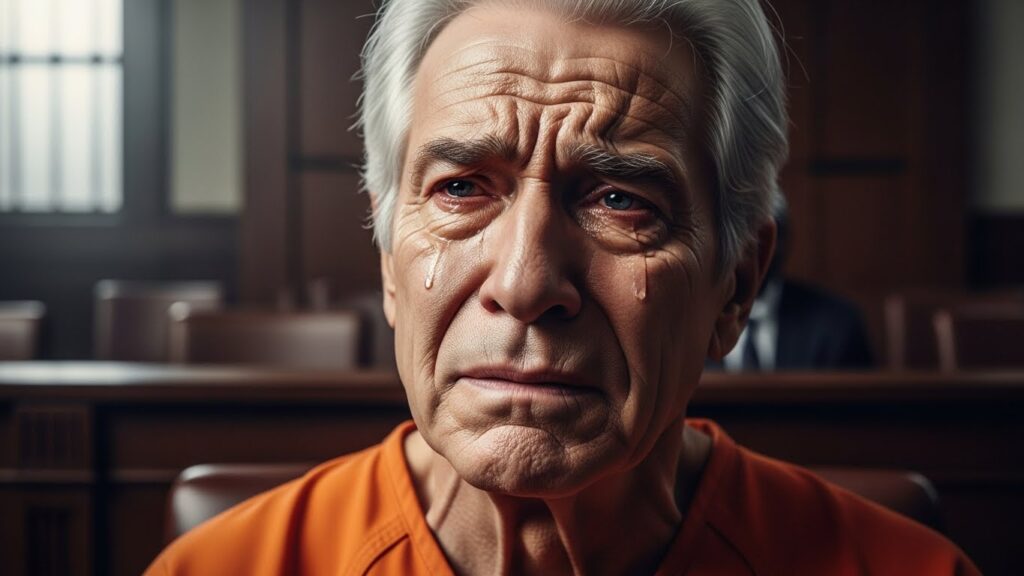
After the hearing, the outpouring of support began. The community rallied to help James and others like him. Donations poured in for the veteran support program. People found ways to connect and encourage, utilizing stories of human resilience. Every small act became a testament to kindness.
Through this ordeal, the narrative shifted. The courtroom incident had sparked conversations about homelessness, mental health, and the support that every veteran deserves. Individuals began questioning their views of those they often overlooked, confronting the biases that crept into their subconscious.
Sometimes, in the depths of darkness, the light shines brightest from unexpected corners. This compassionate gesture from a judge reminded everyone present of the transformative power of kindness. It showed that often the hardest battles are not fought on the battlefield but in the everyday struggles of returning to society.
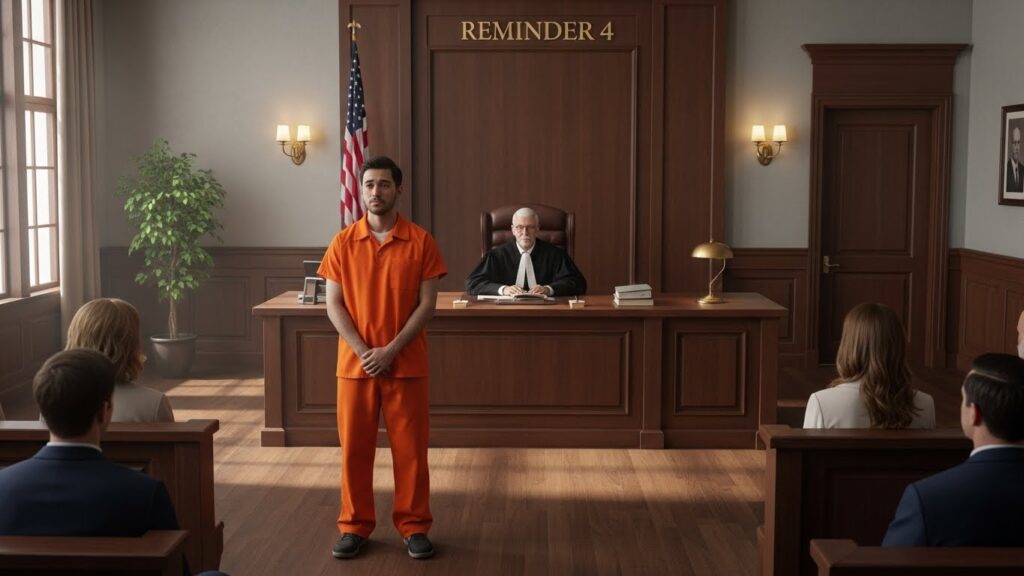
As the story of James’ journey from despair to redemption spread, it touched lives beyond the courtroom walls. Awareness flourished, igniting a collective consciousness to support veterans on their return home.
In a world that often overlooks the vulnerable, a simple act of understanding can indeed change and inspire lives. It becomes imperative to remember that sometimes, the people who look the scariest are the ones who protect us. Their struggles can reflect the shadows of our own lives, reminding all that humanity, at its core, is an intricate tapestry woven from experiences, compassion, and the indomitable resilience of the human spirit.


