In the quiet aftermath of conflict, stories often weave through shadows, revealing unsung heroes who emerge from the depths of despair. This is a story that pulls at the heartstrings, illuminating the unwavering spirit of a man who faced unimaginable adversity and chose to stand tall when others would not. It is the tale of a valiant soldier who saved lives in battle but is now left to confront a haunting reality: homelessness.
 In a barren courtroom, a weary figure stood before the judge, his silhouette casting a long shadow on the cold floor. With eleven bullets piercing his body during a courageous mission, the man bore scars that told a tale of bravery. His name, once echoed with admiration on the battlefield, now seemed to disappear into the noise of courtroom proceedings.
His mission was simple yet perilous. During a chaotic assault, when chaos ruled and fear paralyzed, he darted through the gunfire to save forty-seven fellow soldiers. Each life he rescued was a flicker of hope during a dark time, a testament to human resilience and the determination to protect. Yet, as the smoke cleared, he was left to grapple with the aftermath: his service, a double-edged sword.
Though he had protected so many, he found himself facing battles outside the battlefield. The world he had fought to preserve saw him differently. Society’s indifference cast him as an invisible man, a stranger on the streets rather than a warrior deserving of honor and respect. The medals worn on his chest served only as reminders of a past life, now seemingly out of reach.
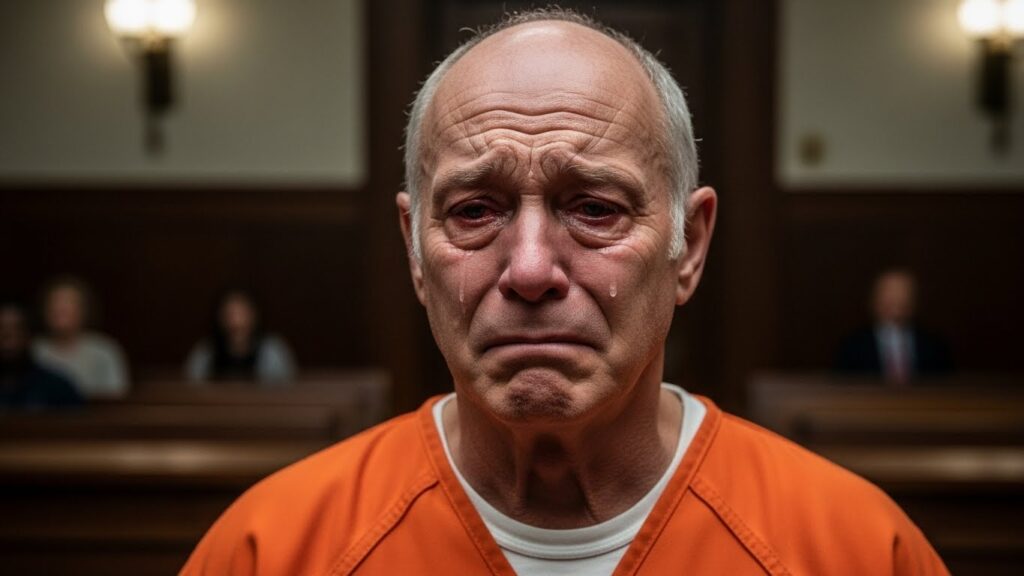
The court’s wooden bench creaked under the weight of heavy hearts as the judge listened attentively to the soldier’s plight. His homelessness was not just a statistic; it was a raw, aching reality. This man had risked everything, yet what awaited him outside the confines of those walls was an existence in shadows—a cycle of cold nights and desperate struggles for shelter.
As the soldier recounted the story of his bravery, tears filled the judge’s eyes. There, in that small courtroom, the divide between hero and humanity blurred. The walls seemed to breathe with the emotions that surged: sorrow for a man who saved lives, yet felt he had lost his own. The judge, deeply moved by the soldier’s ordeal, understood the jagged edges of his story, where valor clashed with vulnerability.
The turning point arrived as empathy reached a crescendo. The judge, realizing that ‘justice’ sometimes takes an unexpected form, sought to transform the narrative. A decision was made—a lifeline extended to the soldier who had fought for others. Grants for housing, therapy, and support flowed as rays of hope filled the room.
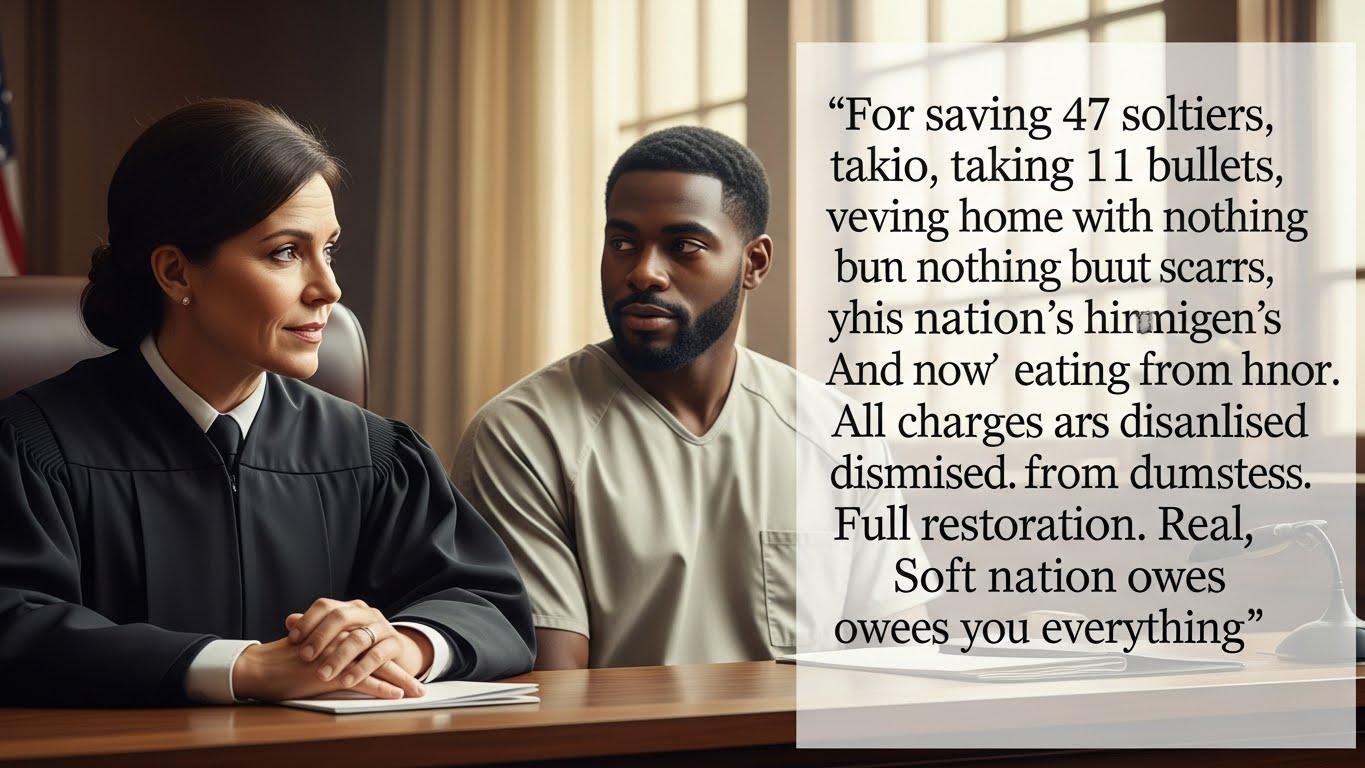
Yet, even with this newfound promise of shelter and aid, the soldier’s heart remained heavy. The courage displayed in battle had been remarkable, but facing this new battle was daunting. The sense of inadequacy loomed over him; how does one reconcile the heroism of saving lives with the painful admission of needing help?
This moment of realization was both daunting and liberating. Emotions surged as he grasped that asking for help did not diminish his bravery. Instead, it showcased a different kind of courage—the strength to confront vulnerability and seek a path toward healing. It was a reminder that every hero, regardless of their accolades, has battles to fight long after the war has ended.
As the court session came to a close, the ripples of compassion filled the room. Those once merely names on paper transformed into human realities steeped in stories of sacrifice and struggle. The judge, wiping away tears, stood as a reminder that empathy must guide actions.
Now, this soldier, once alone and forgotten, was set on a new journey—a journey forged in hope, community, and mutual respect. The struggle to redefine his life awakened within him not only resilience but also a profound connection to those around him. He learned that vulnerability is not a weakness but a step toward strength.
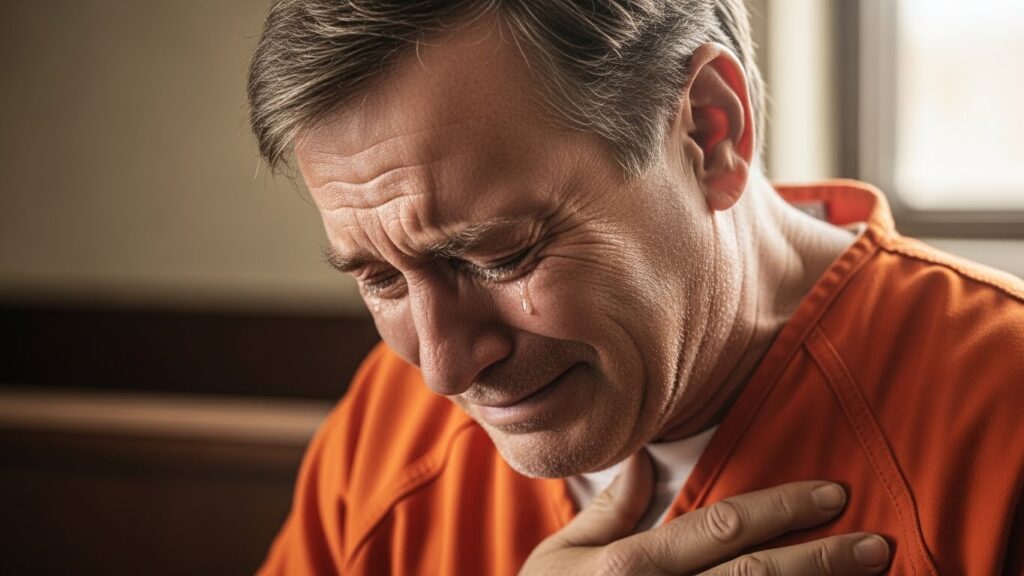
Surrounded by those who cared, the soldier began to heal. The world outside his previous battles slowly opened its arms, embracing him with understanding. Doom transformed into possibility. Every moment became a step closer to reclaiming the life stripped away through war—the life where he was a man defined not by his hardships, but by his inherent value.
In the inspiring arc of his journey, a deeper truth emerged: sometimes, the most resilient hearts are found in the most unexpected places. The man who once felt like a burden became a beacon of hope not just for himself but for others who may face similar trials.
The courage to rise from despair, to transform pain into purpose, is an exemplary testament to the human spirit’s capacity for renewal. Each step forward, each hand held out in empathy, rekindled the essence of connection—the very force that binds humanity.
Ultimately, this tale illustrates a powerful reminder: Sometimes, the people who look the scariest are the ones who protect us. Their stories, often untold, echo with powerful wisdom—showing that behind every facade lies a narrative waiting to be heard and a spirit yearning for connection and understanding.
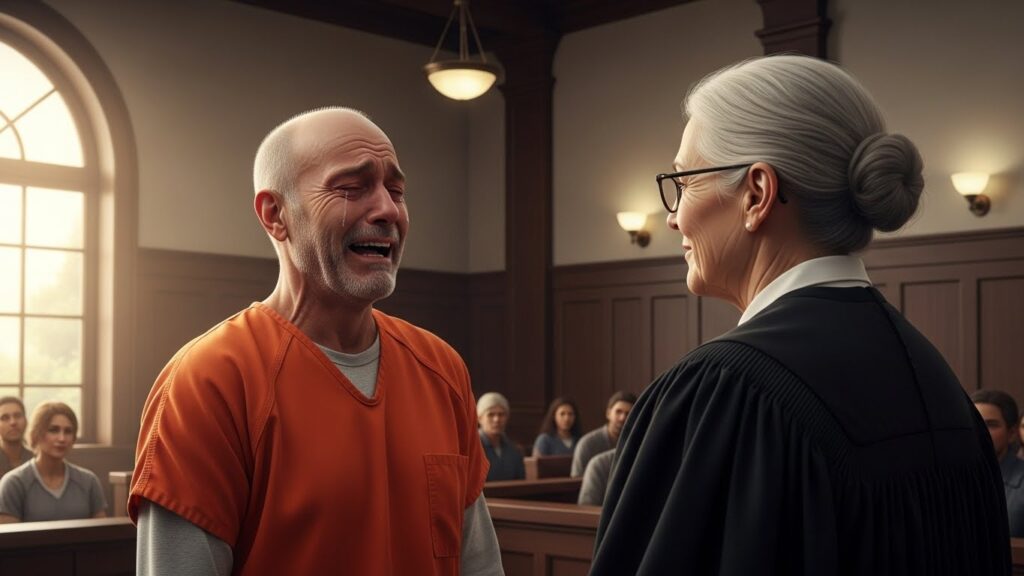
Through compassion and support, as a society, the journey of healing can flourish, showcasing that every hero is deserving of a home and a chance to reclaim their life. In honoring their sacrifices, we summon the strength to become guardians of hope, allowing every voice to be heard and valued in an imperfect world.
Just as the soldier emerged from the shadows, so too may others find the light of a community that believes in their journey. In humanity, there lies a thread that connects us all, pulling tightly together in moments of struggle, nourishment, and shared resilience. Let the human heart forever reach out in kindness—because, in vulnerability, true strength is often found.


