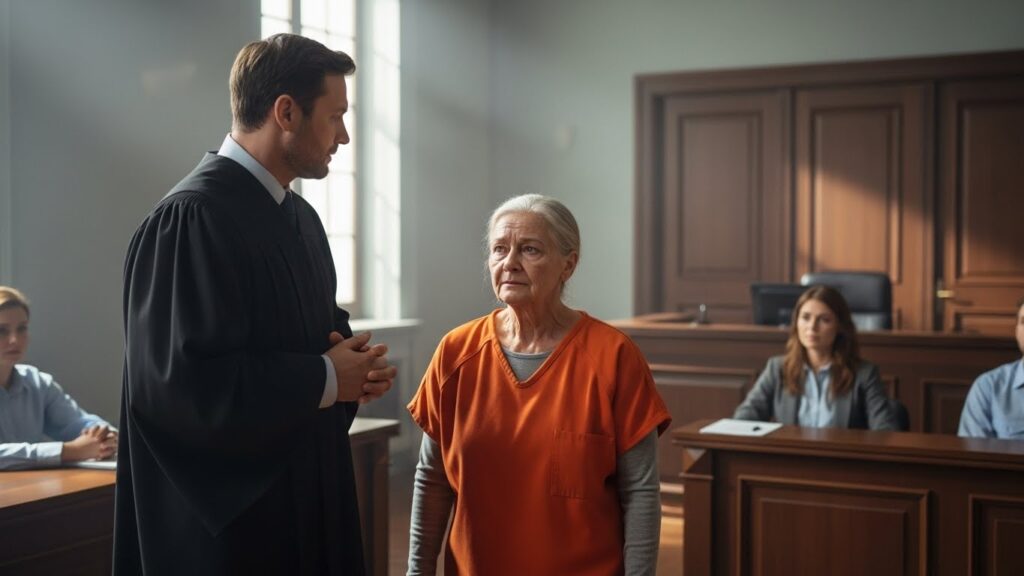
In a small courtroom, the atmosphere hung heavy, a mix of silence and anticipation. Families filled the benches, their collective breath bated, as they waited for the proceedings to unfold. Among them sat a woman, her shoulders slumped with the weight of her past. She was a veteran—a female soldier who had served bravely in Afghanistan, yet now found herself homeless and struggling with the demons of PTSD. Her pain was palpable, her story one that would resonate deeply with everyone present.
 The courtroom was a battleground of emotions. It had been days since this woman had stepped into a place of authority, a setting she once associated with justice and safety. But today, it felt different. The room buzzed with whispers, glances exchanged among the onlookers, as she anxiously awaited her turn to speak. Moments stretched like elastic, each second filled with the untold hardships burdening her heart.
As the judge entered, a hush fell across the room. The gavel struck, and the proceedings began. The woman’s hands trembled slightly as she recounting her journey, painting a vivid picture of her life from the moment she enlisted. Those words flew from her lips, ignited by deep sorrow and a yearning for understanding. She recalled the camaraderie of her fellow soldiers, the adrenaline of combat, and the heartbreak of loss. Each memory was a thread woven into the fabric of who she had become.
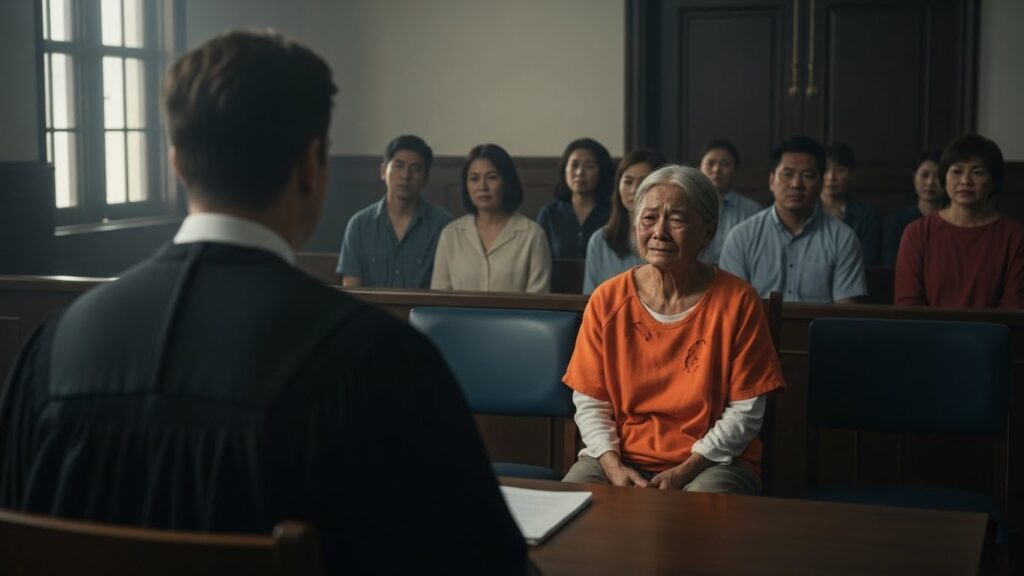
Yet, after the battles, there was no fanfare for her return. No parades, no medals, just a quiet longing for a sense of home. The familiar walls of her mind echoed with anguish. Nights became suffocating, filled with haunting memories she could not escape. With each passing day, her sense of purpose faded, replaced by an overwhelming feeling of isolation. The weight of invisible wounds made her struggle to trust, to connect, and most agonizingly, to heal.
Families in the courtroom listened, some holding back tears, others openly weeping. They could hardly fathom the depth of her despair, yet a resonance began to ripple through their hearts. It was a connection forged in empathy and shared humanity. Every word spoken was steeped in authenticity and rawness, drawing them into her reality—a stark contrast to the heroic image of soldiers often portrayed in the media.
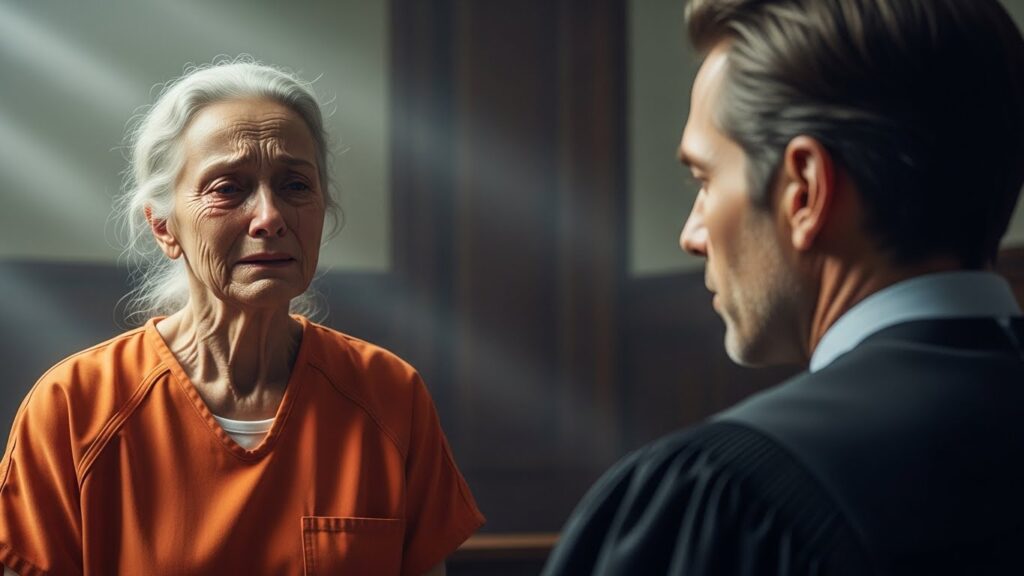
The judge listened attentively, eyes filled with compassion, witnessing this woman’s vulnerability laid bare before the world. It was in that moment he felt the urgency of her situation. The traditional barriers of the judicial system seemed to dissolve. With sincerity that transcended his role, he spoke words that would define the moment for all present: “You are not alone. We will help you.”
A collective gasp filled the courtroom. For a fleeting moment, hope ignited in the dim corners of despair that had enveloped her for so long. It was as if a dam had burst, allowing a rush of light into a life darkened by struggles. The woman’s face altered, a flicker of disbelief followed by a glimmer of hope washed over her.
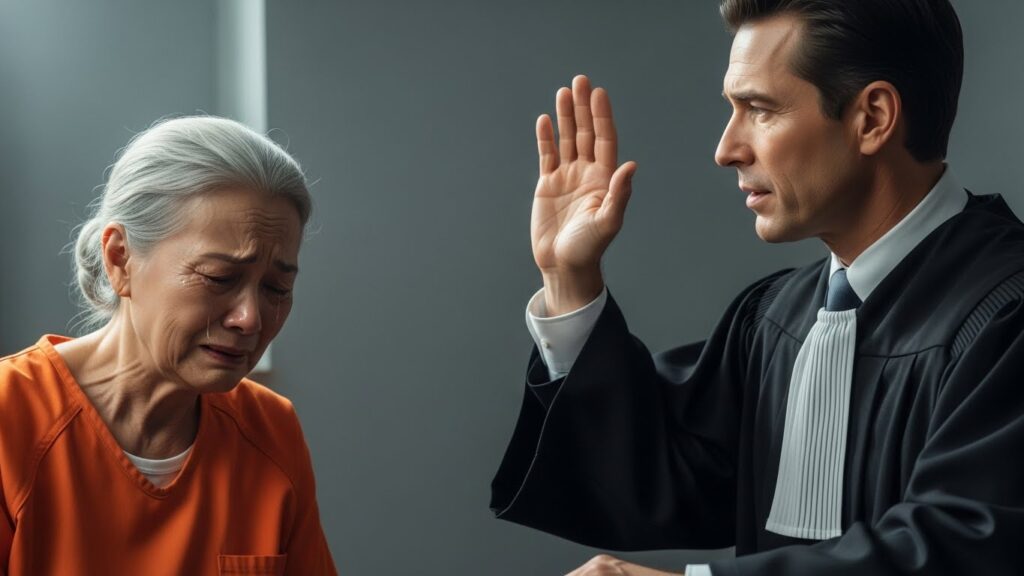
The judge continued, pledging support beyond this courtroom, a promise of action to ensure she had access to resources and community services. The room erupted in emotion. Tears flowed freely, not only from the woman but from those who had witnessed the remarkable transformation from fear to a newfound sense of safety. Her solemn testimony had not only revealed her struggles, but had also opened hearts to the plight of many veterans suffering in silence.
The turning point had arrived. In a brief moment of vulnerability, the walls built by years of war readiness and stoicism began to crumble. Hope took root. The weight that had crushed her spirit now began to lift, replaced by the realization that she was worthy of support, compassion, and recovery. The courtroom was no longer just a place of laws and judgments; it had become a sanctuary of healing.
As she left that courtroom, she felt buoyed by the commitments made on her behalf. The faint sounds of encouragement echoed in her mind. For the first time in what felt like forever, the horizon looked a little brighter. There was a sense of possibility, of reconnection with the self that had been lost in the chaos.
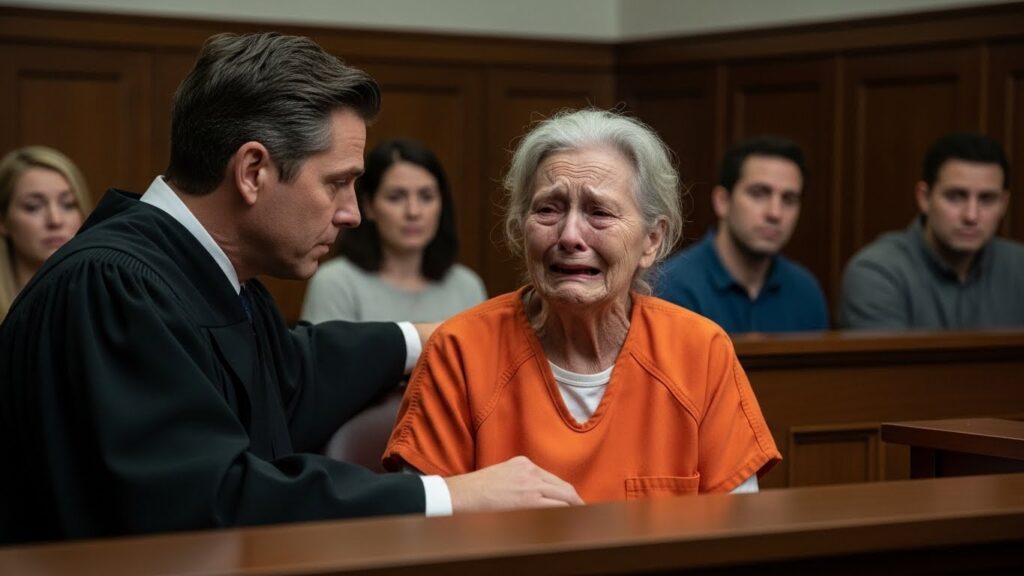
The journey ahead would not be easy. There would be days filled with struggles, old shadows lurking at the edges, but this one moment had ignited a spark. It fostered a gentle reminder that sometimes, the scariest places harbor the most beautiful stories of hope. The judge’s words resonated, not merely as a promise of aid but as a call to humanity.
To be seen, acknowledged, and valued changed everything. Stories like hers aren’t just individual tales of hardship—they are echoes of resilience that remind society of the importance of compassion.
Hope is a tender thread that weaves through the fabric of humanity, connecting lives in ways that transcend the barriers of experience and understanding. It calls upon everyone to extend hands and hearts to those who have fallen into despair.
And perhaps, in those moments of collective empathy, when one person’s pain touches another’s heart, a profound understanding arises: everyone, no matter how broken, deserves the chance to heal, to thrive, and to be embraced in their struggles.
Thus, the journey for this brave woman continues. The veteran, once lost in shadows, now walks towards the light—and with each step, the narrative shifts from one of despair to one of hope.Dreams arise from the ashes of trauma, and sometimes, the bravest warriors are those rediscovered amid the rubble of their battles.
Sometimes, the people who look the scariest are the ones who protect us.


