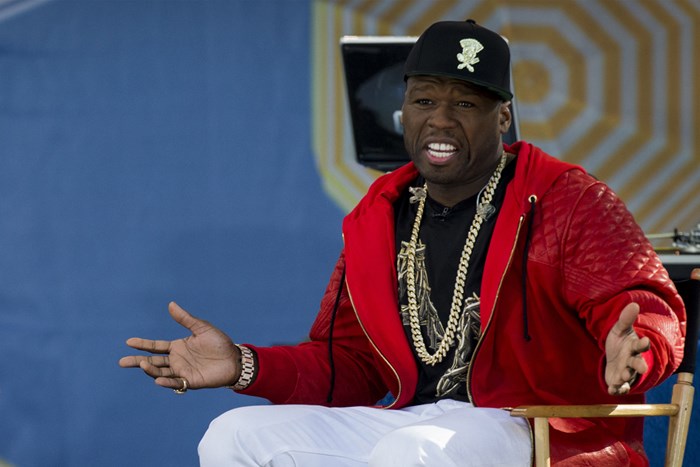
At 85, David Allan Coe has detonated a bombshell on country music’s sacred ground, the Grand Ole Opry, revealing decades of blackmail, cover-ups, and betrayal that have long haunted Nashville’s elite. His explosive confession threatens to dismantle the legacy of an institution that deliberately erased him from history.
 David Allan Coe’s story is no ordinary tale of outlaw rebellion. Once a shadow cast outside Nashville’s polished spotlight, Coe has emerged from decades of silence with a revelation so profound it shakes the very foundation of country music. For years, Coe was systematically erased, excluded from the Opry, and stripped of recognition despite undeniable success.
Born in Akron, Ohio, in 1939, Coe’s turbulent youth marked the birth of his defiant spirit. Reform schools and prisons shaped his early years, cultivating raw, unfiltered songwriting that challenged the sanitized narratives Nashville embraced. His gritty authenticity clashed harshly with the country establishment’s desire for control and conformity.
Coe stormed into Nashville in the late 1960s with no intention of begging for acceptance. Living out of a hearse outside the Ryman Auditorium, he dared the industry to notice him. His songwriting soon broke through, with iconic hits like “Would You Lay With Me (In a Field of Stone)” defying industry norms and capturing raw emotion.
While contemporaries like Waylon Jennings and Willie Nelson gained mainstream acclaim, Coe’s unpolished image and controversial lyrics turned him into an untouchable pariah. His music was dangerous and provocative—fire that Nashville’s establishment was desperate to extinguish. Despite this, his underground following grew, fueled by fans yearning for truth.
Behind closed doors, the Opry’s inner circle is alleged to have blacklisted Coe stealthily. Sources recount a meeting in the late 1970s ending in threats and broken glass, cementing his permanent exclusion. Though never officially stated, whispers in Nashville linked his ban to knowledge of scandals the Opry elites wanted silenced.
 Coe’s recent 𝓵𝓮𝓪𝓴𝓮𝓭 interview is a staggering blow to the Opry’s century-old image. Filmed quietly on his Tennessee property, Coe unveils names, dates, and incriminating accounts of 𝓪𝓫𝓾𝓼𝓮, bribery, and cover-ups that the industry buried. His calm but chilling delivery leaves no doubt: he intends to dismantle the facade.
Among his revelations is a 1977 encounter backstage where Coe witnessed an Opry executive involved in a disturbing transaction with a minor and a suitcase of cash. He also reveals a yellowed letter from a former Opry board member apologizing for coercion and an ominous voice memo referencing secret parties involving top industry figures.
The excruciating silence from Nashville’s power brokers is deafening. The Opry declined to comment on the 𝒶𝓁𝓁𝑒𝑔𝒶𝓉𝒾𝓸𝓃𝓈, while named executives remain silent. Meanwhile, country radio and mainstream outlets have largely ignored the explosive story, revealing a divide between enduring legacy and the urgency for truth.
Yet, younger artists and fans have ignited a firestorm of support for Coe. Social media platforms buzz with hashtags demanding justice and exposing the Opry’s hidden histories. Public demonstrations outside the Opry House signal a movement rejecting institutional silence and calling for long-overdue accountability.
Coe’s peers from the outlaw era have broken decades of silence, confirming the blacklisting and systemic suppression of dissenting voices within Nashville’s elite. Even former insiders, including sound engineers, have come forward to expose the countless artists erased from records and stages, hidden victims of the Opry’s secret war.

Ironically, the attempt to erase David Allan Coe only amplified his influence. His streaming numbers surged, classic songs recharted, and show tickets sold out at an unprecedented pace. The outlaw who was told he would never play the Opry stage became a symbol of resistance, his legacy louder than ever before.
Now, at 85, Coe stands unbowed. He no longer seeks the Opry’s validation—his mission is far greater. His searing interview has cracked open the institution’s polished image, exposing decades of hypocrisy and corruption. Nashville faces a reckoning that the Grand Ole Opry cannot ignore or contain.
David Allan Coe’s story transcends personal vengeance. It embodies the struggle of every silenced artist, the shadowy battles waged behind country music’s glitz. With every revelation, he dismantles the myth that the Opry ever stood for fairness or justice, exposing it as a fortress protecting powerful interests at any cost.
This radical disclosure forces a fresh examination of Nashville’s past and present. How many stars were quietly sidelined for defying the system? How many careers were sacrificed to maintain a squeaky-clean image? Coe’s voice demands answers and shakes the industry’s self-righteous core to its foundation.
 As Nashville scrambles to contain the fallout, David Allan Coe’s final act cements him as a lightning rod in an ongoing storm. His decades-long exile has transformed into a powerful narrative of survival, courage, and unrelenting truth. The Grand Ole Opry’s reign faces its most serious challenge yet.
While some dismiss his claims as ramblings of an aging outlaw, the weight of corroboration from former insiders and the resonance within the music community underline the gravity of Coe’s disclosures. This is not a fading star seeking relevance; it’s an urgent call for reckoning and reform.
The Grand Ole Opry’s first instinct has been damage control—PR adjustments, staff shuffles—but the cracks are deep. The carefully constructed mystique has been shattered by one man’s refusal to be silenced. Coe’s story now stands as a monument to defiance and a testament to the power of truth.
David Allan Coe never needed the Opry’s crown. He’s rewritten the narrative, from blacklisted outlaw to fearless whistleblower. As he continues to record, perform, and confront the industry that rejected him, Coe embodies a reckoning that transcends music, forcing country’s heart to confront its darkest secrets.
In this unprecedented moment, Coe’s voice challenges the music world to look beyond polished veneers. The Grand Ole Opry’s legacy, once untouchable, now trembles under the weight of his revelations. This is the breaking of silence, the unraveling of control, and the birth of a new chapter in country music history.
David Allan Coe ends not with a plea for forgiveness, but a declaration of victory. At 85, he lights a match to the lies and invites the world to witness Nashville’s reckoning. The outlaw may have been denied the Opry stage, but he commands a far more potent spotlight—the unfiltered truth 𝓮𝔁𝓹𝓸𝓼𝓮𝓭 for all to see.