A nearly four-decade-old cold case has taken a dramatic turn as DNA evidence from a smoothie straw has led to the arrest of a suspect in the murder of Teresa Fusco, a 16-year-old girl who vanished from Long Island in 1984.
 On November 10, 1984, Teresa was fired from her job at the Hot Skates Roller Rink in Lindbrook. Upset and embarrassed, she started her walk home but never arrived. Her family reported her missing the next morning, launching a desperate search that gripped the community.
Days turned into weeks, and the search for Teresa intensified. Twenty-five days later, her body was discovered in a wooded lot, brutally beaten and strangled. The shocking crime left the small town in fear and disbelief, prompting police to scramble for answers.
Authorities quickly zeroed in on three local men with tenuous connections to Teresa. Under intense pressure, they coerced confessions from the men, leading to their convictions in 1986, despite a lack of physical evidence linking them to the crime.

For 18 years, John Kogat, Dennis Holstead, and John Restivo languished in prison, maintaining their innocence. In 2003, DNA testing exonerated them, revealing that the evidence found on Teresa did not match any of the men. Their release brought a $43 million settlement, but the question of who killed Teresa remained unanswered.
As years passed, the cold case squad revisited the investigation, focusing on Richard Bilo, a man who lived near the roller rink in 1984. Detectives surveilled him, and in February, they obtained a crucial piece of evidence—a smoothie straw he discarded after drinking.
DNA testing on the straw produced a match to the evidence from Teresa’s assault, reigniting the case. When confronted, Bilo denied knowing Teresa but made a chilling remark about people getting away with murder in that era.
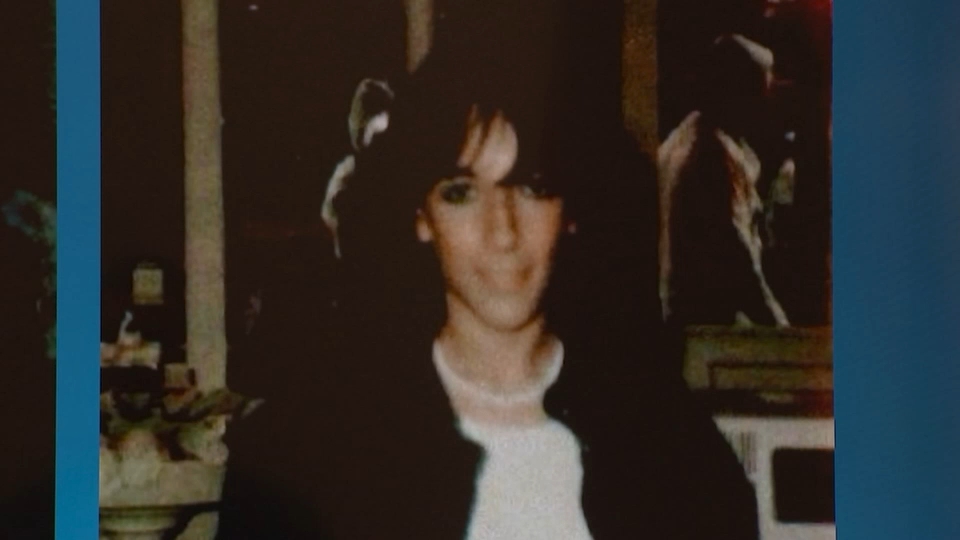
Now, at 63, Bilo faces charges for the murder of Teresa Fusco, as her family finally sees the possibility of justice. Teresa’s father, Thomas Fusco, witnessed the arraignment, a bittersweet moment for a man who has waited almost 40 years for answers.
As the legal proceedings unfold, the community grapples with the haunting memories of that fateful November night. The case, once buried under layers of time and injustice, has resurfaced, reminding everyone that the quest for truth can transcend even the longest of waits.